
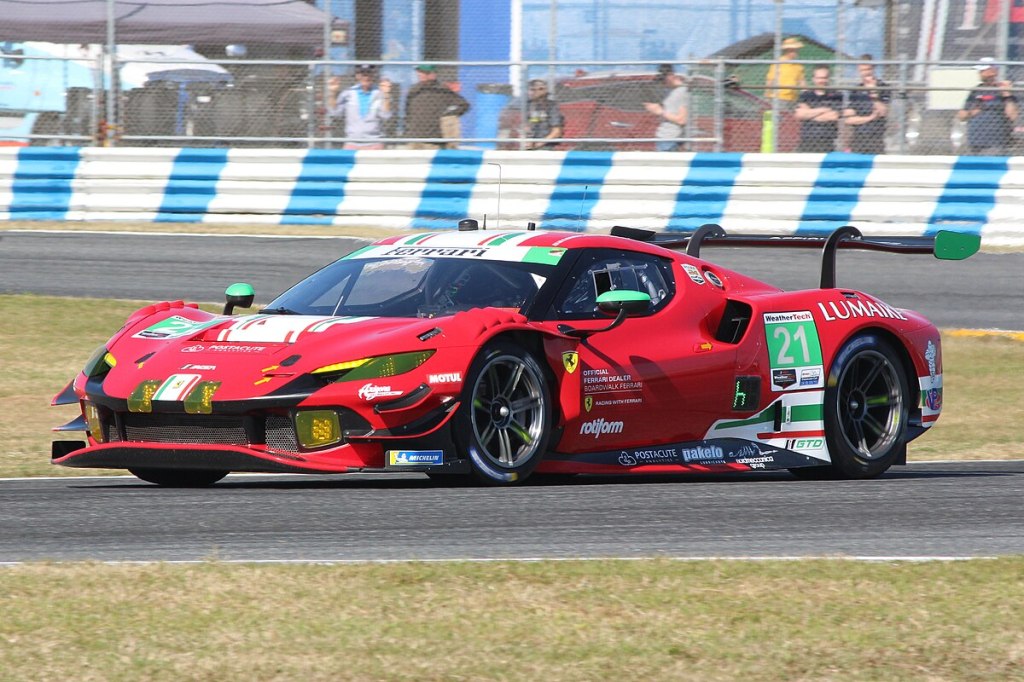
Change is afoot for the Ferrari GT racing program. A new Evo package has been developed, announced back in the middle of 2025 and set to debut at the 24 Hours of Daytona in January 2026. Alessio Rovera and Alessandro Pier Guidi were involved with the development of the car and discussed the important changes made in this Evo. Both drivers highlighted how the relationships built between drivers and engineers in this project were key to success. Rovera and Pier Guidi have a great deal of experience between the two of them, Rovera also being involved in the development of the original GT3 homologated 296 in 2022.
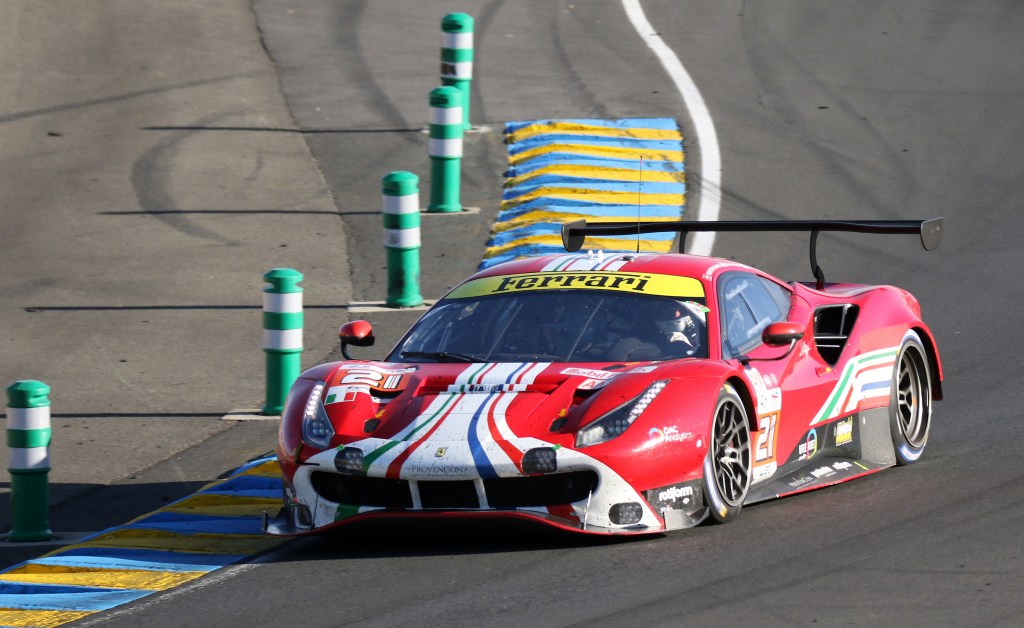
The changes are intended to be all-around improvements in raceability rather than targeting one specific weak point. Three changes mentioned by Rovera in particular were the aero design of the car, kinematic design at the front and rear, and shorter gear ratios. To parse those out some, the aero changes are meant to make the car able to follow closer behind other cars and still be able to handle well. If one looks at a photo of the outgoing 296 GT3 and then looks at the press photos of the GT3 Evo, the most obvious difference is the shape of the rear wing. The kinematic design is a way to say they addressed parts that affect the handling like suspension geometries. Not only should this result in more mechanical grip for the car, it should also give a bigger “window” in which the car is drivable which will help out the amateur or Bronze rated drivers. Shorter gear ratios means the car will pull better out of corners but may lose a little of the top end. This is neither a positive or a negative at face value, but is probably coming out of a request from drivers and examining which tracks the car is racing at.
Pier Guidi said the updates were “not a matter of performance” but instead were focused on how the car does in door to door racing. The car’s lap times aren’t going to be dramatically reduced, but the ability to follow closely is a very big deal in modern GT racing where passing can be difficult. The other reason to be excited about these developments is the help it gives to amateur drivers. A huge sector of the GT racing world is Pro-Am. The pros are often close in time to one another, meaning races are won or lost based on your “weak link” or the amateur driver. If the car can be friendly to those Bronze rated drivers without losing the cutting edge the pros rely on, this could be a great package going into 2026.
 Scuderia Scout
Leave a comment