
What is a “factory driver” anyway?
This is easiest to explain in the world of sportscar racing as the single seater ladder has some different considerations with cars not being shared. A factory driver is a driver whose checks come from the manufacturer rather than from some other source (like a private team) or in the case of an amateur driver, having to pay for their seat in the car. Often, these factory drivers get sent on assignment or “loan” to private teams (especially in GT3 racing) to help support those efforts, spread brand goodwill, increase loyalty among customer teams, and overall market the car to potentially more customers.
Ferrari’s Competition
It’s hard to talk about factory drivers in the realm of GT racing without talking about Porsche in particular. They have a very well organized and clear ladder of promoting their own drivers from single make series, to junior ranks, to full fledged factory drives. They have a very large talent pool to draw from and have been developing their program for a long time now. No matter the series, no matter the level, you can be sure that Porsche will be there to compete against Ferrari in numbers. Most other GT manufacturers have similar programs running for their drivers.
What else do the factory drivers do?
Media appearances, testing and development of race (and sometimes road) cars, pretty much what you would expect. Generally, these are very well paid positions, but their schedules are not to be envied. Usually competing in more than one series at a time, the travel and packed days would wear out most drivers.
So how do I get there?
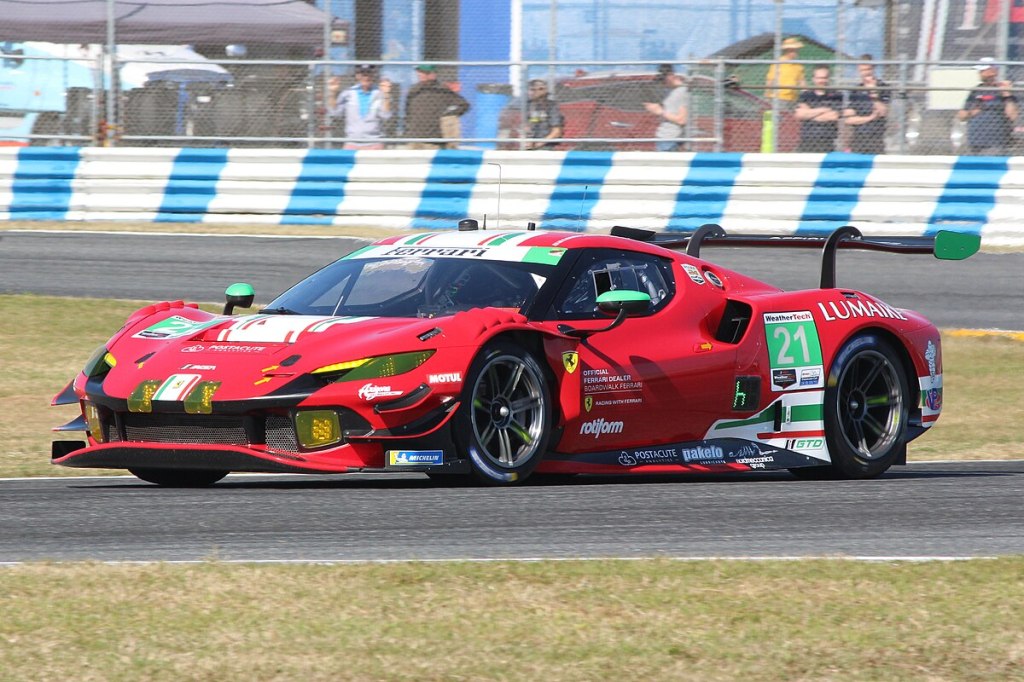
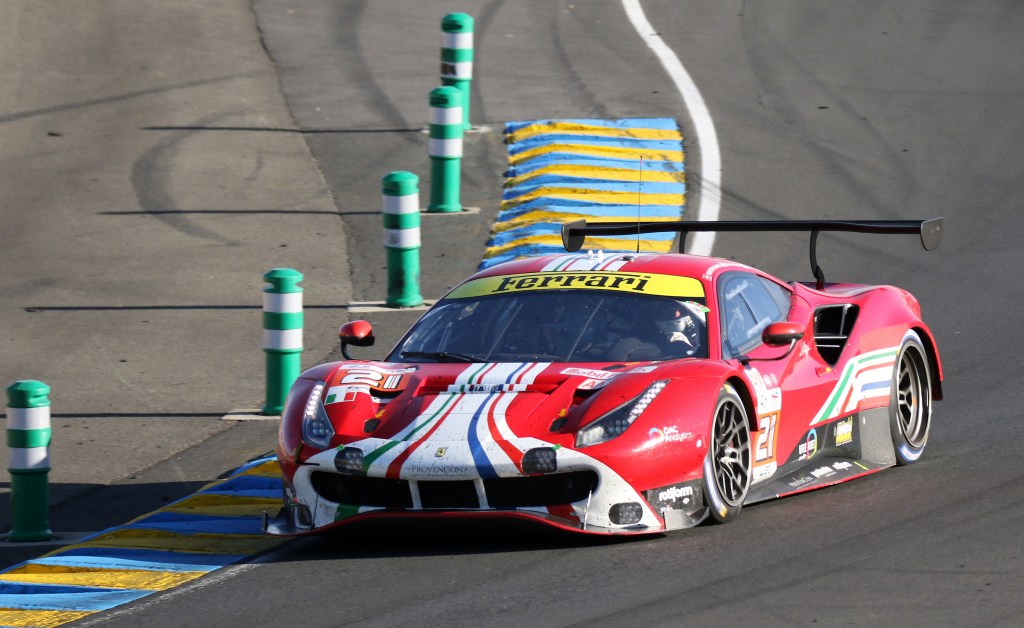
Let’s look at three drivers and their careers before getting full factory status for Ferrari to see their paths.
Nicklas Nielsen started karting at 4 years old. At 19, he made his debut in ADAC F4 as part of the single seater ladder. Funding ran out for single seaters to be a viable option, but at the end of 2017 he got an opportunity to drive a Ferrari Challenge 488 at Mugello. He won both races that weekend and committed to a full time entry in 2018, winning the Ferrari Challenge Europe title. He won international sportscar racing championships in 2019, 2020, and 2021 before being selected by Ferrari to run in the 499P program at the start of 2023.
Lilou Wadoux didn’t begin her motorsport journey until 14 when she began casually karting. After 2 years, she made the jump into single-make touring car racing. In 2020, that became single make sportscar racing as she took an Alpine A110 to the Alpine Elf Europa Cup, coming third in that championship in 2021. She signed as a Ferrari driver in 2023.
Alessio Rovera began in single seaters, but jumped to Porsche single make racing after three years. He spent four years racing up the GT ladder in Italy, two years in Porsche’s single make series, and then 2 years in AF Corse Ferraris in Italy. After finding success in 2021 in more GT3 machinery, he was signed as a Ferrari factory driver at the end of that year. This only came after three years of showing promise in Ferrari cars.
For every driver that made it, there are many, many that did not. The item of note in these stories is that there is no “one path” to becoming a Ferrari factory driver. There may be trends, like starting in karting before starting on the single seat ladder and then making the jump to sportscars, but that is certainly not the rule. As we continue to watch more drivers come up through the ranks, where will the next generation of Ferrari factory drivers come from?
 Scuderia Scout
Leave a comment